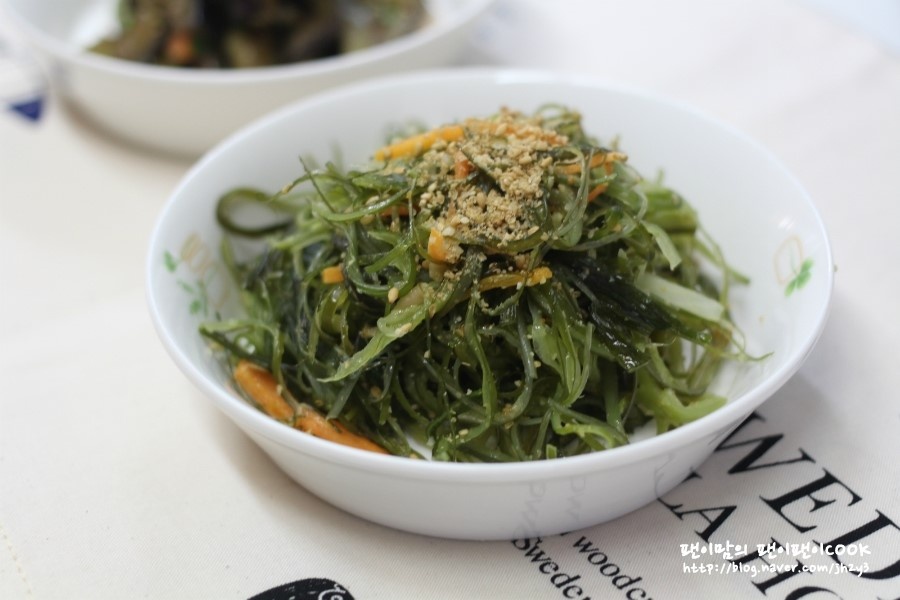
Simple stir-fried seaweed stems
Making super simple stir-fried seaweed stems when there are no side dishes
It's easy to make and full of nutrients!!
Seaweed has a lot of iron, so it's good for preventing anemia
It contains a lot of calcium and protein magnesium
It's good for your bones
It's good for preventing osteoporosis.
It's low in calories
It's also good for dieting.
4 serving
Within 30 minutes
팬이맘
- Ingredients
-
-
a stem of seaweed165g
-
onion1/4ea
-
Garlic1ts
-
Cooking oil1.5TS
-
Sesame oil1TS
-
sesame salt1TS
-
- Cooking Steps
-
STEP 1/9How tightly vacuum-packed it is
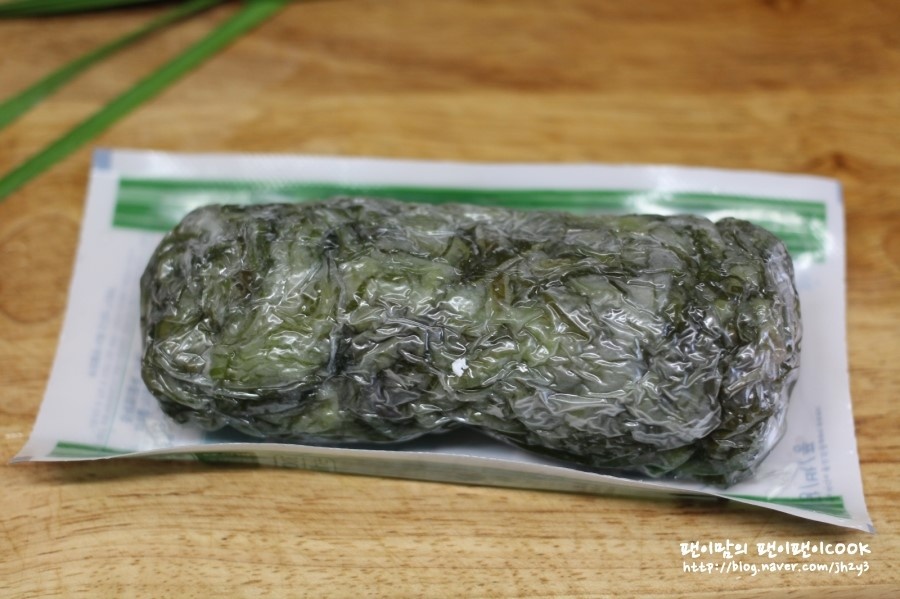 STEP 2/9Even when I opened the wrapper, the shape was the same.
But when I opened it, I found out that it was a cow
It feels so salty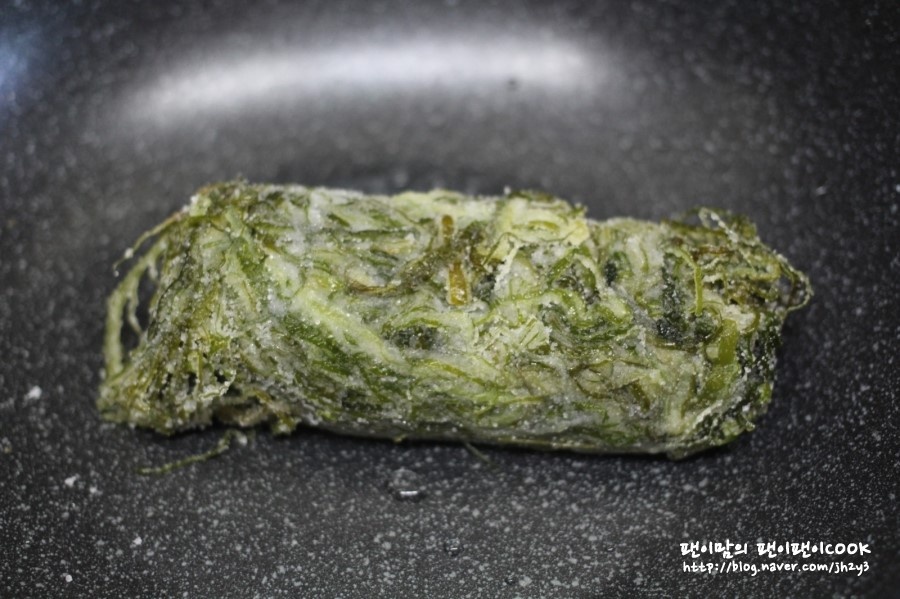 STEP 3/9Rinse the seaweed stems in water and soak them in water for 15 minutes
Remove the saltiness.
Did the salt go away?
Worry, worry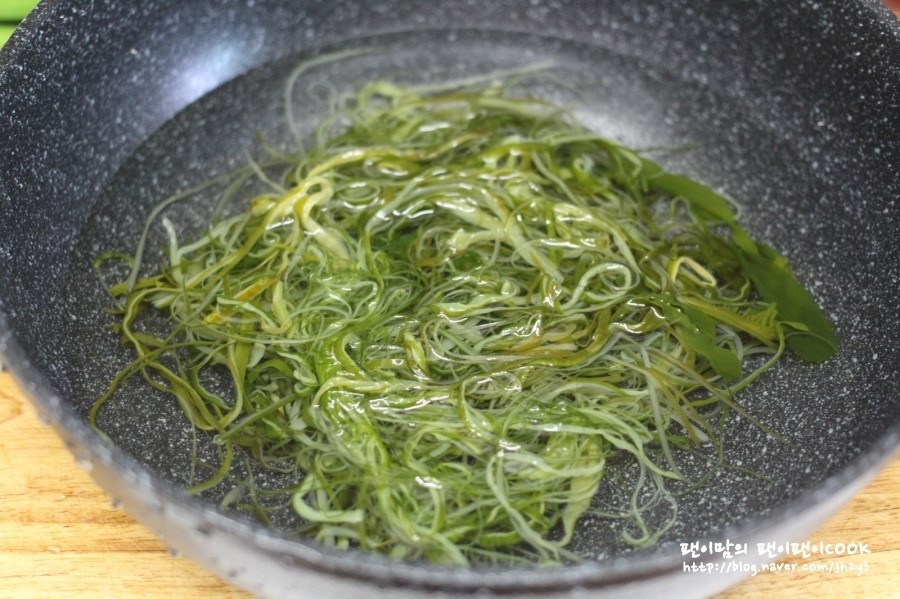 STEP 4/9After rinsing several times
When I tasted the seaweed stem
The salt is gone
Seaweed stems are very seasoned.
Before you fry it
I recommend you to taste the seaweed stem.
That's how you can season it well.
If the seaweed stems are salty, soak them in water a little more.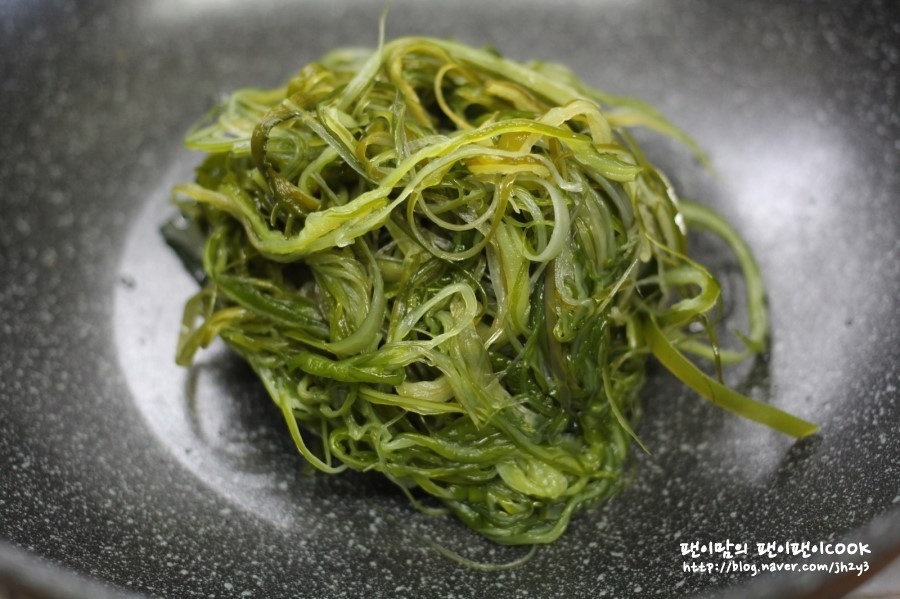 STEP 5/9Then, remove the water
Cut the length of the seaweed stems into bite-size pieces.
And then
Put it in a frying pan
Add oil and stir-fry it gently
It takes away the fishy smell of seaweed stems.
When the seaweed stems smell fishy
Really
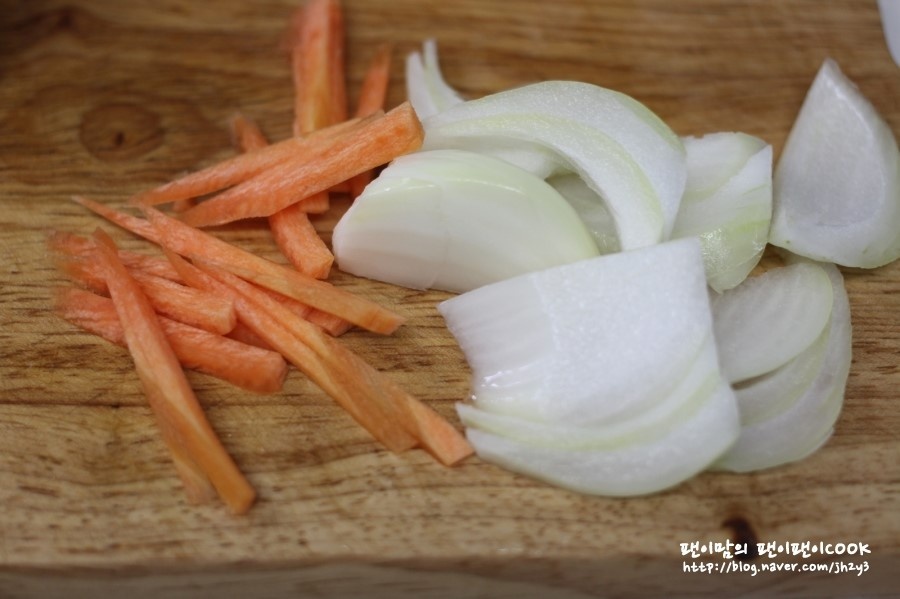
It doesn't taste good.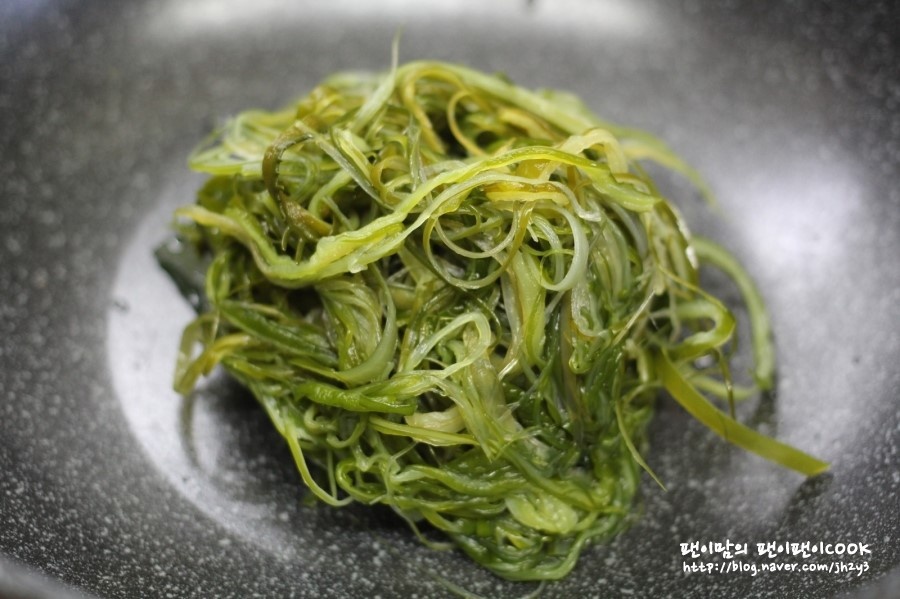 STEP 6/9Chop the onions and carrots
 STEP 7/9Add a little bit of garlic
Add carrots and onions
Sweet~ Sweet~ Stir-fry it.
The onions turn transparent
Seaweed stems get soft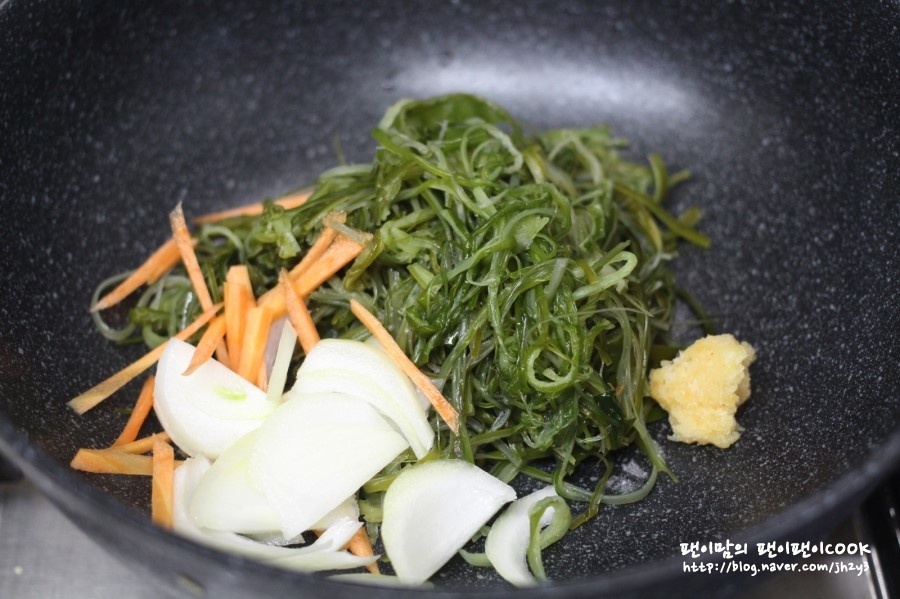 STEP 8/9Until the water disappears
I'll wrap it up with sesame oil.
Add sesame seeds and salt
Seaweed stems are seasoned
I didn't add any other seasoning.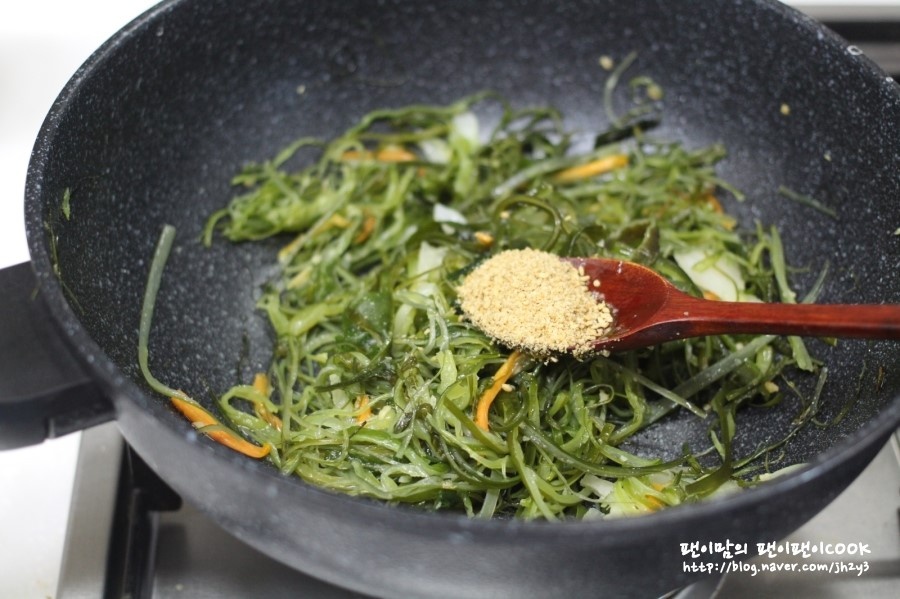 STEP 9/9It's a bit clingy
It's not tough
in a fluffy manner
If you make it a side dish
It's a food that chopsticks grind around.
Make it simple
Stir-fried seaweed on the table
It's chewy
It's not fishy
It was really delicious.
Food that you can't get tired of even if you enjoy eating it all four seasons
It's stir-fried seaweed.
I strongly recommend it when I'm worried about side dishes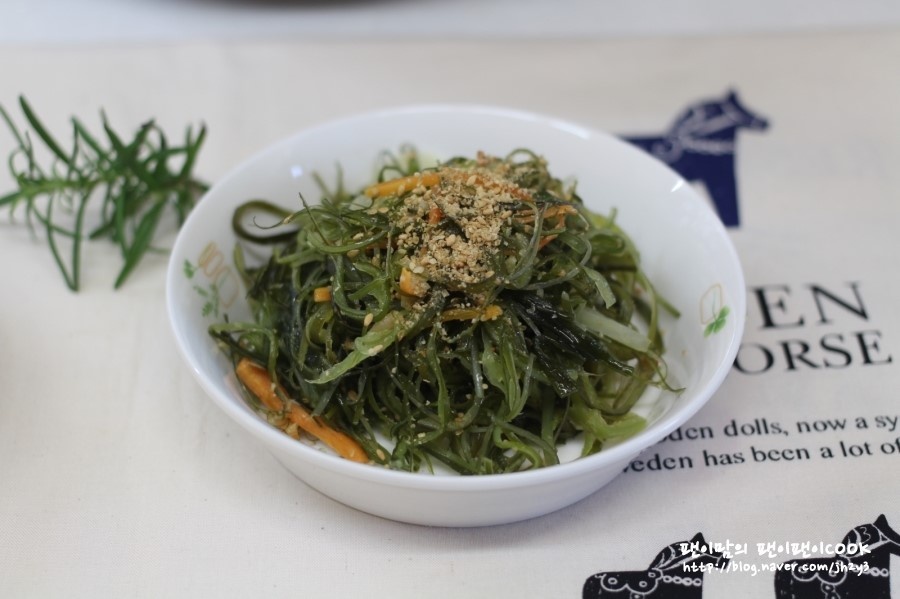 I like seaweed stems that are not too thick. So that the seaweed doesn't get tough It's good to eat. Before you fry it I recommend you to taste the seaweed stem. That's how you can season it well. If the seaweed stems are salty, soak them in water a little more.
- Cooking review
-
5.00score
-
 883*****scoreThanks to you, I'm making it often I don't like carrots, so I put onion hearts in it, and it's very delicious2017-02-17 17:59
-
- stir-fried Rice Cake Recommended recipe
-
-
1
 Soy sauce tteok-bokki. Good for kids, good snacks4.68(34)
 -
2
 Tteokbokki with soup made according to the TV recipe4.79(43)
 -
3
 Shinjeon Tteokbokki Recipe4.83(59)
 -
4
 Making Shinjeon Tteokbokki :: 90% synchronized seasoning recipe4.91(53)
-
- chicken Recommended recipe
-
-
1
 Healthy Chicken Made with Air Fryer Garlic soy sauce chicken4.83(6)
 -
2
 [Simple] Make delicious side dishes with leftover chicken5.00(11)
 -
3
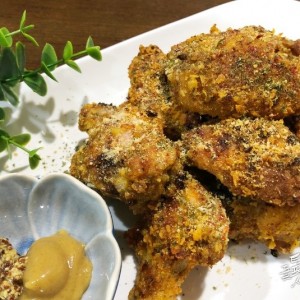 Making Chili Crunch Chicken, It's healthier because it's not fri4.90(31)
 -
4
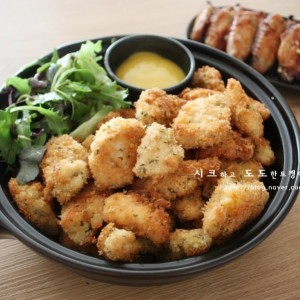 (G)I-DLE's vacation snack - boneless chicken5.00(6)
-